“Is there anything I can do for my cycle aside from taking birth control? I’m worried about gaining even more weight.”
“My doctor prescribed metformin without answering my questions about the side effects.”
“I saw this product online. It was so expensive! I’ve been using it for two months and not sure if it’s helping.”
Can you relate?
Too many of my clients show up to our sessions overwhelmed and frustrated about what to do to manage their polycystic ovarian syndrome (PCOS). One day you may try a low carb diet, but hunger and food cravings go through the roof, and the next day you notice that you’re gaining weight the more you exercise. You feel like your body isn’t following the same rules as everyone else — and you can’t find clear answers.
That is because PCOS is complex.
It’s a condition that affects at least 3 different hormone systems in the body, messes with metabolism, and can lead to fertility issues. For example, people with PCOS have high insulin levels, which can lead to higher stress hormone and testosterone levels, and trigger symptoms like irregular periods, acne, and weight changes.
There’s no magic pill for something that’s deeply woven into your body. But there ARE realistic ways to support your health and get PCOS into a comfortable place.
Nutrition is one of the most powerful strategies for PCOS.
A 2025 research review looked at how diet, nutrients, and herbal medicine can help with PCOS.
What’s a research review?
A research review is a great type of study to look at because it does a lot of leg work for you: the authors sort through a ton of information (in this case, they looked at close to 200 published studies) and put the results together in one place. A good research review will make sense of the noise, offer a map of what actually has strong evidence, and point out where the evidence is still thin.
To make things even easier for you, this post will cover the key takeaways from “Nutritional and herbal interventions for polycystic ovary syndrome (PCOS): a comprehensive review of dietary approaches, macronutrient impact, and herbal medicine in management.” (Home | Journal of Health, Population and Nutrition | Springer Nature Link)
Food is One of the Most Powerful Tools
Research confirms that the way we eat (our diet) is key to managing PCOS. Different eating patterns can radically improve hormone balance and blood sugar.
Three types of diets stood out:
- Low Glycemic Index (Low GI) diets: Focused on foods like whole grains, beans, and vegetables, low GI diets keep blood sugar study.
- Mediterranean-Style diets: Regularly eating high amounts of vegetables, fruits, healthy fats (like olive oil and avocado), and lean protein can and will lower inflammation.
- Very Low Carb/Ketogenic diets: Although not meant for the long-term, these extreme approaches to eating can help with weight loss and insulin levels, and jump-start a transition to a life-long, balanced way of eating.
The big idea: There is no such thing as a perfect PCOS diet. But there are options that can fit each person and support their health goals.
Macronutrients Matter (Carbs, Protein, & Fat)
Not just what you eat — but how much of each nutrient — also matters.
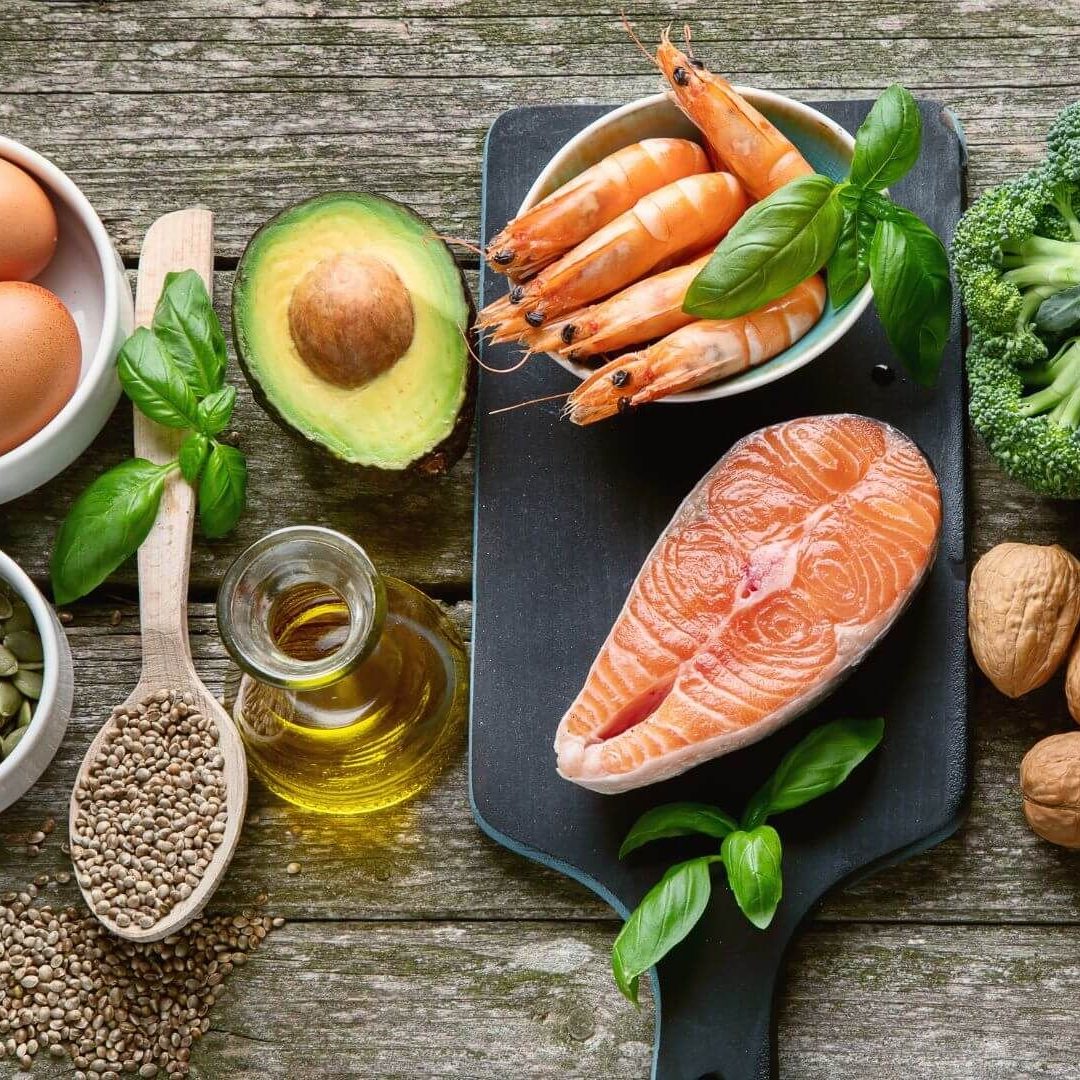
- Having fewer refined carbs can improve insulin resistance and hormone balance.
- Eating enough protein intake may help a person feel full and support improved metabolism.
- Regular intake of healthy fats, especially omega-3’s, lowers the inflammation that’s typical to PCOS.
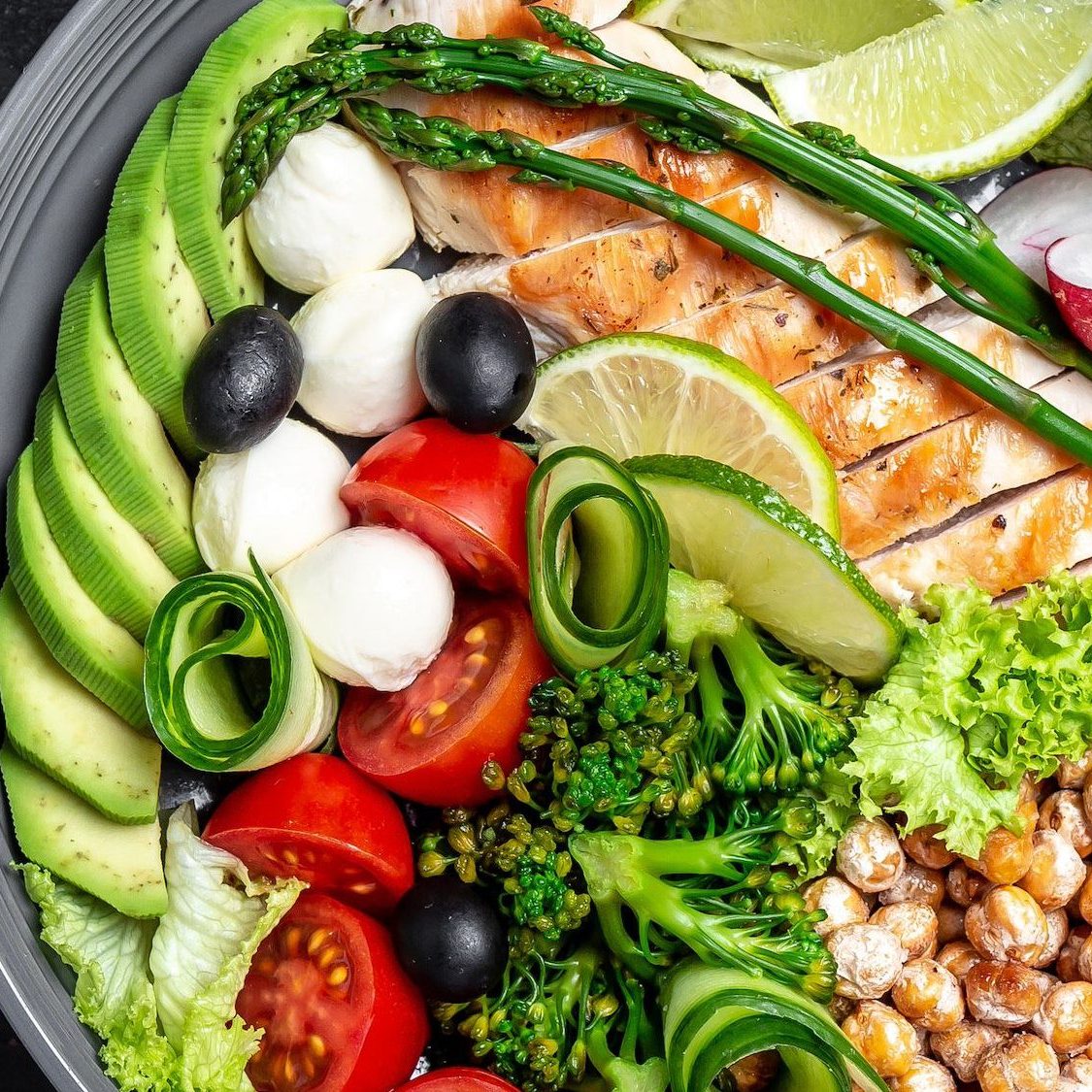
Takeaway: Balancing the plate, whether a meal or a snack, is key to managing PCOS.
Key Nutrients that Support PCOS
Not the all the targeted ads are true, but some vitamins and supplements can actually help with PCOS. Keep in mind as you read the list below, I’m only going over evidence from one 2025 research review.
Most Supported by Evidence
| Vitamin D | – Helps the body fight oxidative stress and balance hormones, making menstrual cycles more predictable, enhancing insulin sensitivity, and supporting fertility – Vitamin D is commonly found to be low in people with PCOS – Studies showed positive results looked at dosing of vitamin D at 1,000-4,000 IU/day |
| Omega-3 fatty acids | – Omega-3 fats help the body handle inflammation and metabolic imbalances, like boosting insulin signaling, lowering triglycerides (a type of cholesterol found in the blood), and improving how the body responds to pain – Typical dosing used was 1-3 grams/day of EPA + DHA fatty acids combined |
| Inositol: Myo- and D-chiro inositol | – Research shows that at a high level of inositol intake (as in, with a supplement), people with PCOS see beneficial changes in insulin resistance and ovarian function – Typical dosing used in research was 2-4 grams/day of myo:D-chiro inositol |
Some Evidence but More Research Needed
| Magnesium | – Plays a role in insulin action and blood sugar regulation – Promising for insulin resistance, and can help with other health concerns, but for PCOS it’s not as clear of a winner at something like vitamin D |
| Zinc | – Helpful for skin health and the immune system, as well as how the body makes sex hormones and androgens, but the evidence in PCOS is not clear |
| Chromium | – Evidence shows promise for insulin resistance, but may also increase testosterone levels |
| Selenium | – Powerful antioxidant (can help with egg and sperm quality!) but evidence mixed for PCOS |
| B Vitamins | – All are especially important for metabolism – B-12 & folate should be taken (as a B-complex or multivitamin) by people on metformin |
| CoQ10 | – Similar to selenium mentioned above, this antioxidant has been shown to help with inflammation and metabolism function but its particular role for PCOS is still unclear |
Supplements won’t cure PCOS. Aim for an overall lifestyle approach with a tailored supplement plan for your specific needs. That’s where a PCOS expert can help.
Herbal Medicine Shows Promise
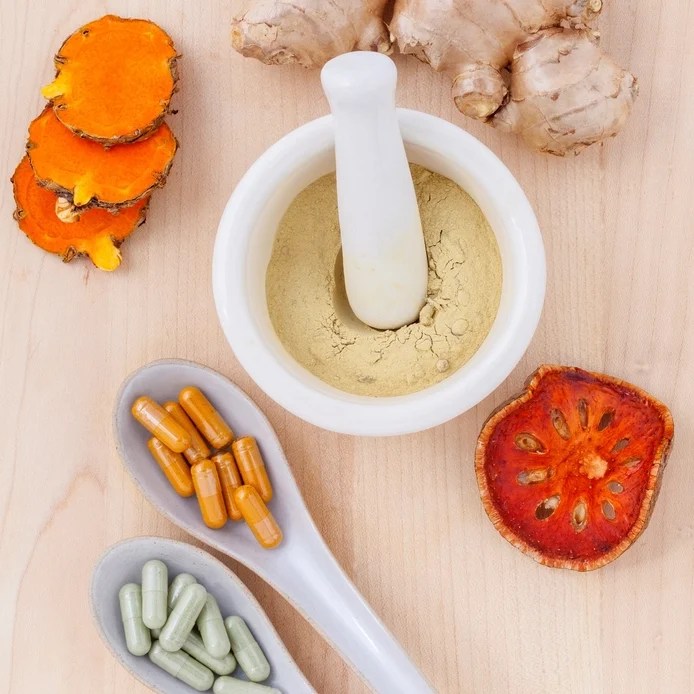
The review also looked at herbal remedies. They covered some of the herbs — and definitely not all — proven to help with menstrual cycle regularity, ovulation, inflammation, and blood sugar balance.
| Cinnamon | – Helps the body fight oxidative stress and balance hormones, making menstrual cycles more predictable – Cinnamon can help improve insulin receptor activity and blood sugar uptake – Dosing at 1-1.5 grams/day (one big teaspoon) is a strong herbal option |
| Curcumin (from turmeric) | – Anti-inflammatory that controls oxidative stress in the body – Some small trials have shown that 500-1,500 mg/day can help with cholesterol and blood sugar levels in PCOS |
| Fennel | – Fennel is one of many plant foods and herbs that are phytoestrogenic – Phytoestrogens can act like a mild form of estrogen hormone in the body (and even lower the risk of toxicity from chemical estrogens from things like BPA plastic, perfumes, and ingredients in household cleaning supplies). – Fennel may help with menstrual regularity and hormone balance, but the research has not yet been standardized around how much and when to use fennel |
| Traditional Chinese Herbal Medicine (TCHM) | TCHM for PCOS includes a variety of herbs that target inflammation, hormones, and metabolism Results vary widely, especially with different herbal combinations, but benefits are reported in terms of menstrual regulation and fertility. |
The Big Picture
PCOS is complex, and there is no one approach that is perfect for every person. Many studies are small (less than 100 people), with big variations in what doses and timelines they use, and do not separate different PCOS types (like lean people with PCOS, or insulin-resistant PCOS).
But this research review makes one thing clear:
A personalized whole-body approach is needed and works best.
That means:
- Eating in a way that helps stabilize blood sugar and supports insulin regulation
- Focusing on whole, nutrient-rich foods
- Using supplements or herbs thoughtfully, targeted to specific symptoms or concerns
- Building habits that are sustainable over time
Nutrition is one of the most powerful tools for improving PCOS symptoms and overall health and metabolism.
Want to learn more? Work with an expert who understands the lifestyle and nutrition approaches for PCOS. A PCOS-focused dietitian may be what’s missing from your PCOS plan — they can help you to cut through the clutter and support you on a journey toward improved wellness.
 OKAY TO EAT